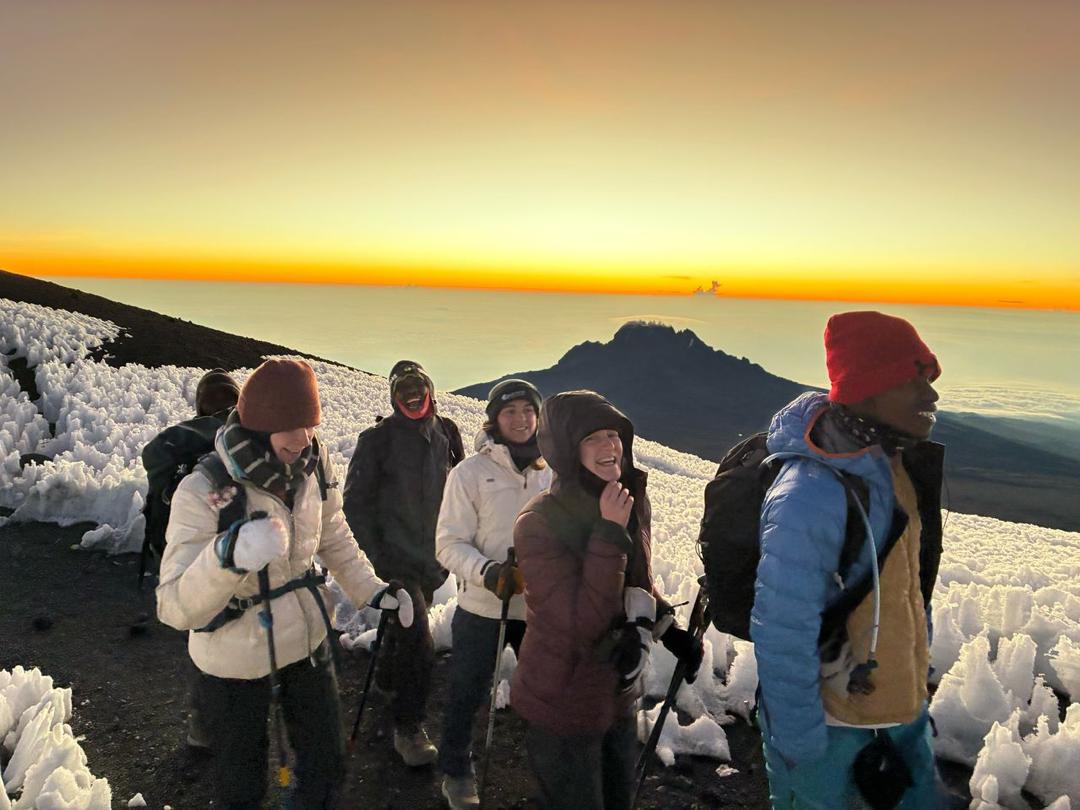
Lemosho Route
Mount Kilimanjaro's Lemosho Route is one of the most scenic and successful routes for reaching Uhuru Peak. It approaches the mountain from the western side, offering beautiful forests, lower traffic during the first days, and excellent acclimatization.
Tour Overview
Lemosho Route Overview
Route Facts
- Duration: 7–8 days (8 days recommended)
- Success Rate: 85–95% on the 8-day itinerary
- Starting Elevation: 2,100 m (6,890 ft)
- Summit Elevation: 5,895 m (19,341 ft)
- Difficulty: Moderate to Challenging
- Accommodation: Tents only
- Best For:
- First-time climbers
- Photographers
- Better acclimatization
- High summit success rates
Safari Itinerary
8-day detailed programme
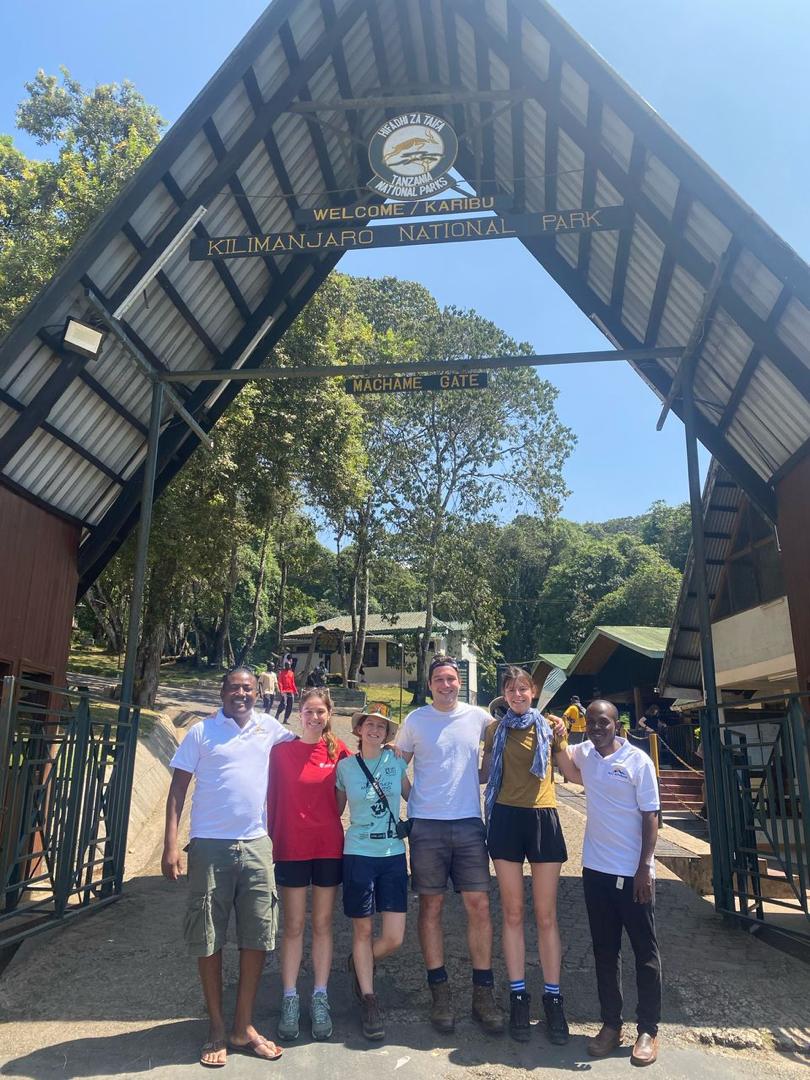
Londorossi Gate to Mti Mkubwa Camp
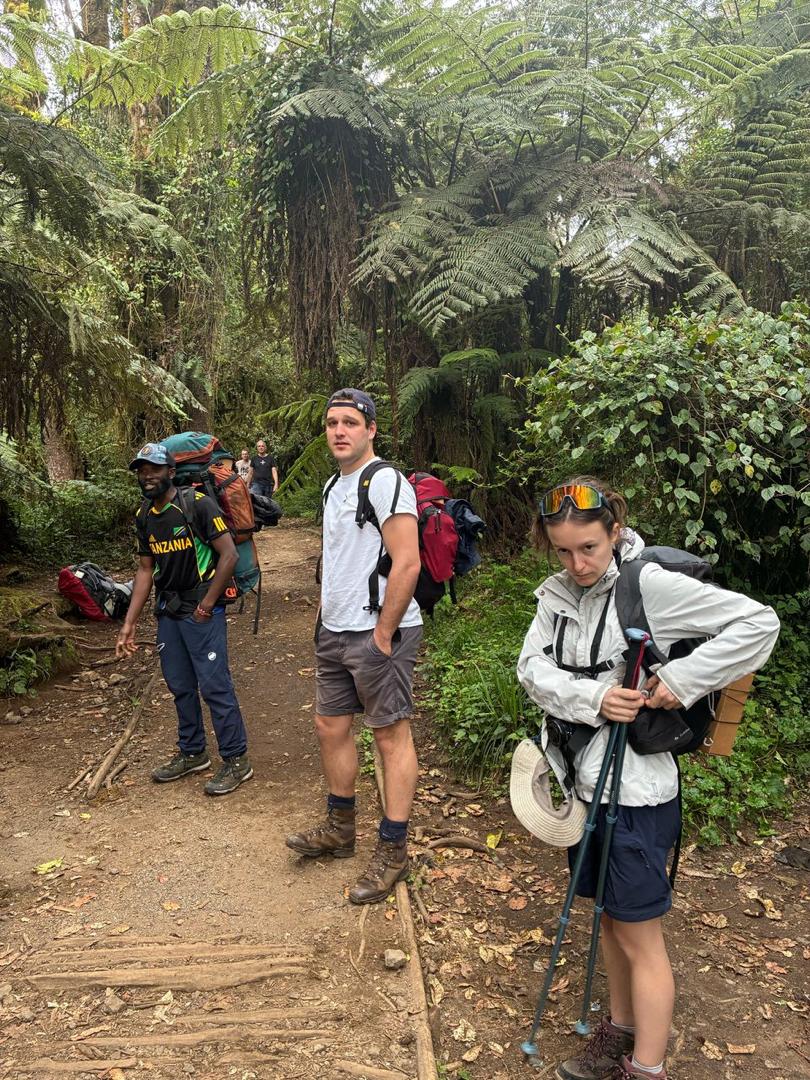
Distance 6 km (3.7 miles) Hiking Time 3–4 hours Elevation Start: 2,100 m End: 2,750 m Habitat Rainforest What Happens After registration at the gate, a vehicle transfers climbers to the trailhead. The hike begins through dense rainforest where you may see: Blue monkeys Colobus monkeys Tropical birds Giant ferns The trail is relatively easy and mostly uphill. Overnight Mti Mkubwa Camp (Big Tree Camp)
Mti Mkubwa Camp to Shira 1 Camp
Distance 8 km (5 miles) Hiking Time 5–6 hours Elevation Start: 2,750 m End: 3,500 m Habitat Moorland What Happens The forest gradually disappears and opens to the moorland zone. You'll enjoy: Giant lobelias Senecio plants Views of Shira Plateau The mountain becomes visible for the first time. Overnight Shira 1 Camp
Shira 1 Camp to Shira 2 Camp
Distance 7 km (4.3 miles) Hiking Time 3–4 hours Elevation Start: 3,500 m End: 3,850 m Habitat Moorland What Happens A relatively easy acclimatization day. Highlights: Crossing the famous Shira Plateau Panoramic views of Kilimanjaro Views toward Mount Meru Mount Meru can often be seen clearly on a good day. Overnight Shira 2 Camp
Shira 2 Camp → Lava Tower → Barranco Camp
Distance 10 km (6.2 miles) Hiking Time 6–8 hours Elevation Start: 3,850 m Highest Point: 4,630 m End: 3,960 m Habitat Semi-desert What Happens This is one of the most important acclimatization days. You'll climb to: Lava Tower (4,630 m) Many climbers experience mild altitude symptoms here: Headache Shortness of breath Fatigue After lunch, descend to Barranco Camp. This follows the famous principle: "Climb High, Sleep Low." Overnight Barranco Camp
Barranco Camp to Karanga Camp
Distance 5 km (3.1 miles) Hiking Time 4–5 hours Elevation Start: 3,960 m End: 4,035 m Habitat Alpine Desert What Happens The day starts with climbing the famous: Barranco Wall Despite appearing intimidating, it is not technical climbing. Highlights: Amazing views of glaciers Karanga Valley scenery Good acclimatization Overnight Karanga Camp
Karanga Camp to Barafu Camp
Distance 4 km (2.5 miles) Hiking Time 3–4 hours Elevation Start: 4,035 m End: 4,640 m Habitat Alpine Desert What Happens A short but steep hike. At Barafu: Early dinner Equipment check Rest before summit night Most climbers sleep between 6:00 PM and 8:00 PM. Overnight Barafu Camp
Barafu Camp → Uhuru Peak → Mweka Camp
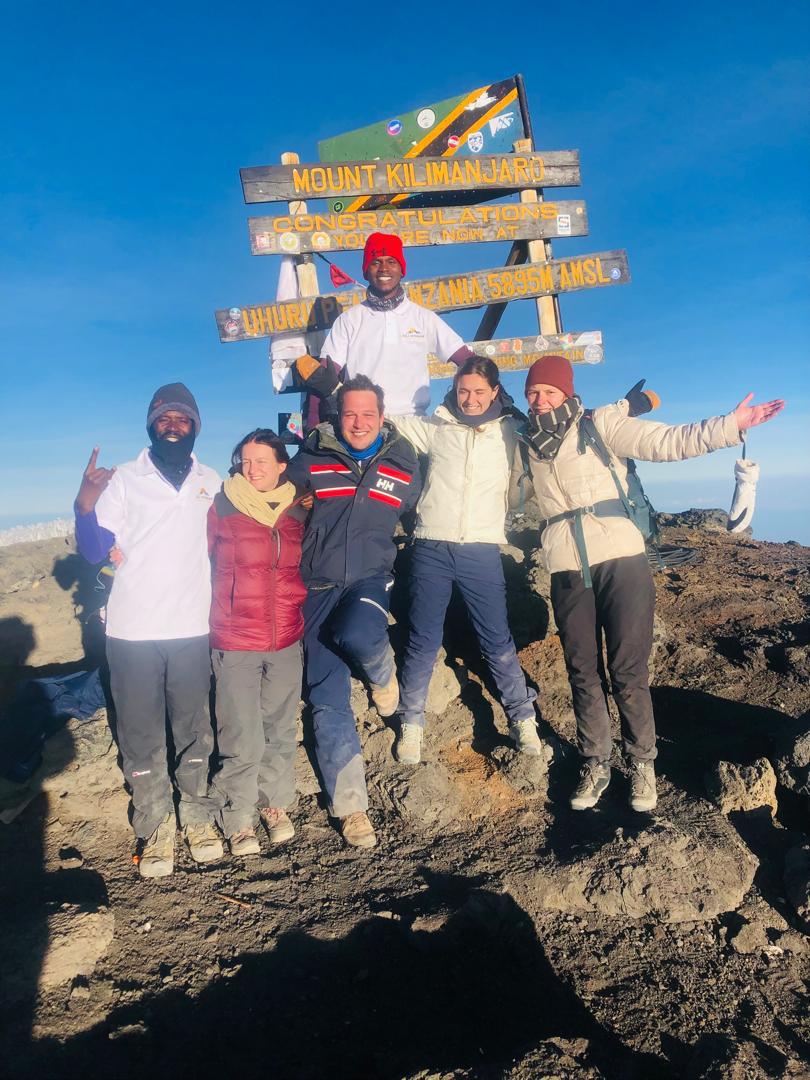
Distance 17 km (10.5 miles) Hiking Time 10–15 hours Elevation Start: 4,640 m Summit: 5,895 m End: 3,100 m Habitat Arctic Zone Summit Push Around midnight, climbers begin the ascent. Key landmarks: Stella Point (5,756 m) Uhuru Peak (5,895 m) Summit Reach: Uhuru Peak The highest point in Africa. After photos and celebration: Descend to Barafu Camp Lunch and short rest Continue to Mweka Camp Overnight Mweka Camp
Mweka Camp to Mweka Gate
Distance 10 km (6.2 miles) Hiking Time 3–4 hours Elevation Start: 3,100 m End: 1,640 m Habitat Rainforest What Happens The trail descends through lush rainforest. At Mweka Gate: Receive summit certificates Meet driver Transfer to hotel Certificate Award Green Certificate: Stella Point Gold Certificate: Uhuru Peak
Tour Highlights
Safari Cost
Cost Includes
- Standard inclusions apply. Contact us for full details.
Cost Excludes
- International flights, visas, and gratuities excluded.
Frequently Asked
The Lemosho Route is one of the scenic trekking routes used to climb Mount Kilimanjaro. It approaches from the western side and is known for its beautiful landscapes and high summit success rate.
Standard: 7–8 days Recommended: 8 days (better acclimatization and higher success rate)
Yes, it is considered moderate to challenging. The main difficulty is altitude, not technical climbing. No climbing equipment is required.
7-day route: ~75–85% 8-day route: ~85–95% The longer itinerary increases your chance of reaching Uhuru Peak.
Because it offers: Excellent acclimatization Low crowd levels at the start Beautiful scenery High summit success rate Gradual altitude gain
Expedition Gallery
3 photos from the field